

Road Marking Glass Beads: How Do They Work?
Road markings play an important role in road safety, especially at night when visibility is limited. To make road lines easier to see in low-light conditions, reflective glass beads are widely used in road marking materials.
But how do road marking glass beads work? Why do they make road markings brighter at night? And what is the difference between drop-on and intermix glass beads?
In this article, we will explain their working principle, main types, and key selection factors.
What Are Road Marking Glass Beads?
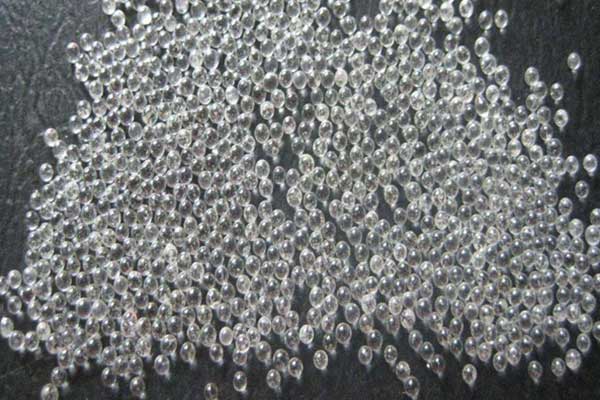
Road marking glass beads are small, transparent spherical particles used to improve the nighttime visibility of pavement markings.
They are commonly applied to road marking paints, thermoplastic paints, and other pavement marking systems.
Their main function is to reflect vehicle headlights back toward drivers through a process called retroreflection. This makes lane lines, road edges, pedestrian crossings, and traffic symbols easier to identify at night.
How Do Road Marking Glass Beads Work?
The working principle of glass beads is based on light refraction and retroreflection.
The process involves three steps:
- Light enters the bead: When vehicle headlights hit a glass bead, light passes through its transparent surface and bends due to refraction.
- Light is redirected: The spherical shape helps focus light toward the rear of the bead, where the underlying marking material reflects it.
- Light returns to the driver: The reflected light passes back through the bead and travels toward the original light source, making the road marking appear brighter.
This process improves nighttime visibility and helps drivers recognize road markings more easily.
Types of Road Marking Glass Beads
There are two main types of glass beads used in road marking systems.
1. Drop-On Glass Beads
Drop-on glass beads are applied to the surface of freshly painted or laid thermoplastic road markings.
They partially embed into the wet marking material, leaving part of each bead exposed to receive and return light.
Main advantages:
- Provide immediate retroreflectivity.
- Improve nighttime visibility.
- Suitable for various road marking applications.
2. Intermix Glass Beads
Intermix glass beads are mixed directly into road marking materials during manufacturing.
As the marking surface wears down, previously embedded beads become exposed and contribute to retroreflectivity.
Main advantages:
- Provide additional reflective particles beneath the surface.
- Help maintain reflectivity as markings wear.
- Commonly used in thermoplastic road marking systems.
For better performance, drop-on and intermix glass beads are often used together.
What Is the Difference Between Drop-On and Intermix Glass Beads?
| Feature | Drop-On Beads | Intermix Beads |
|---|---|---|
| Application | Applied to wet markings | Mixed into marking materials |
| Position | Near the surface | Throughout the material |
| Initial reflectivity | Immediate | Limited until exposed |
| Main function | Initial reflectivity | Additional long-term reflectivity |
Both types are important for improving road marking visibility, but their application methods and functions are different.
What Factors Affect Glass Bead Performance?
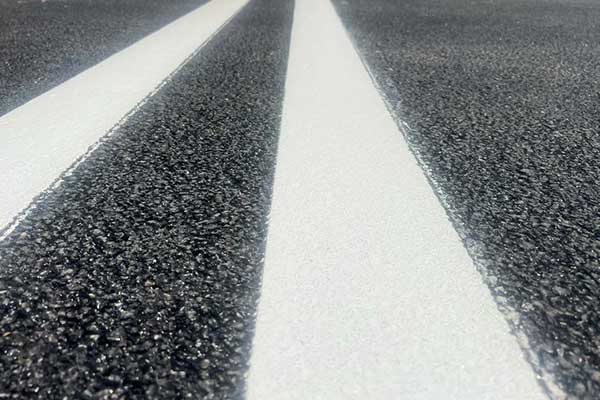
The reflective performance of road marking glass beads depends on several important factors.
- Refractive Index: Common values include 1.50, 1.65, and 1.90. A suitable refractive index helps improve light-return performance.
- Particle Size: Different bead sizes are used for different marking materials and application conditions. Larger beads may be beneficial in certain wet-weather applications.
- Roundness and Transparency: High-quality beads should have a spherical shape, good transparency, and minimal impurities.
- Embedment Depth: Proper embedment is essential. Approximately 50%–60% of the bead diameter is commonly used as a reference to balance adhesion and reflectivity.
- Bead Distribution: Uniform application helps ensure consistent nighttime visibility across road markings.
Frequently Asked Questions
They improve nighttime visibility by reflecting vehicle headlights back toward drivers through retroreflection.
Yes. Traffic abrasion, weather exposure, contamination, and bead loss can gradually reduce reflective performance.
Road marking glass beads are typically manufactured from specially processed glass materials, often using recycled glass or virgin glass. The material is processed into small spherical particles with controlled optical and physical properties.
Yes. Reflective glass beads can be used in certain airport pavement marking applications to improve visibility. However, airport projects must follow specific aviation authority requirements and material specifications.
Glass beads should be stored in a dry, clean, and well-ventilated environment. Keep packaging sealed to prevent moisture absorption and contamination. Proper storage helps maintain product quality and application performance.
Conclusion
Road marking glass beads are essential components of reflective pavement marking systems. By using refraction and retroreflection, they help return vehicle headlights toward drivers and improve nighttime road visibility.
Roadsky and Road Marking Glass Beads
Looking for reliable road marking glass beads? Roadsky supplies road marking equipment and materials for contractors, distributors, and infrastructure projects. Contact our team to discuss your requirements and find suitable solutions for your applications.