

EN1423/EN1424 Reflective Glass Beads for Road Marking
EN 1423 and EN 1424 are European standards covering reflective glass beads used in road markings. These beads help improve the visibility of traffic lines at night and in poor weather, making roads safer for drivers.
Although both standards relate to road marking glass beads, they cover different application methods. EN 1423 mainly applies to drop-on glass beads, while EN 1424 applies to premix glass beads.

What Are Reflective Glass Beads for Road Marking?
Reflective glass beads are small, transparent spheres added to road marking materials. When vehicle headlights shine on them, the beads return part of the light toward the driver. This process is known as retroreflection.
As a result, road markings become easier to see at night, in rain, or under other low-visibility conditions.
Reflective glass beads are commonly used for:
- Highway lane lines
- Urban road markings
- Pedestrian crossings
- Directional arrows
- Parking spaces
- Tunnels and bridges
- Industrial roads
- Airport ground markings
What is the EN 1423 Standard?
EN 1423 is a European standard for drop-on materials used in road marking applications. It covers glass beads, anti-skid aggregates, and mixtures of these two materials.
EN 1423 reflective glass beads are scattered or sprayed onto the surface of freshly applied road marking paint. Part of each bead becomes embedded in the marking, while the exposed portion reflects light from vehicle headlights.
These drop-on beads provide immediate retroreflectivity after the road marking has dried.
They can be applied to:
- Thermoplastic road marking paint
- Water-based traffic paint
- Solvent-based traffic paint
- Cold plastic materials
- Two-component road marking paint
What is the EN 1424 Standard?
EN 1424 is a European standard for premix glass beads used in road marking materials.
Unlike drop-on beads, EN 1424 glass beads are mixed directly into thermoplastic, paint, or cold plastic before the material is applied to the road. The beads are therefore distributed throughout the marking layer.
As traffic gradually wears away the marking surface, more embedded beads become exposed. This helps maintain retroreflectivity during the service life of the road marking.
EN 1423 vs. EN 1424 Glass Beads
The main difference between EN 1423 and EN 1424 is how the glass beads are used.
| Standard | Type | Application | Main Function |
|---|---|---|---|
| EN 1423 | Drop-on glass beads | Applied to the wet marking surface | Provides initial retroreflectivity |
| EN 1424 | Premix glass beads | Mixed into the marking material | Supports longer-term retroreflectivity |
In many road marking projects, both types are used together. Premix beads are added to the marking material, and drop-on beads are applied immediately after the marking is laid.
This combination can provide good initial visibility and help maintain reflective performance as the marking wears.
How Do Reflective Glass Beads Work?
Light from a vehicle’s headlights enters the exposed surface of a glass bead. The light is refracted inside the bead, reflected by the road marking material underneath, and then returned toward the driver.
The effectiveness of this process depends on:
- Bead refractive index
- Bead roundness
- Particle size
- Surface cleanliness
- Embedment depth
- Application quantity
- Compatibility with the marking material
High-quality beads alone cannot guarantee good performance. The road marking material and application conditions are equally important.
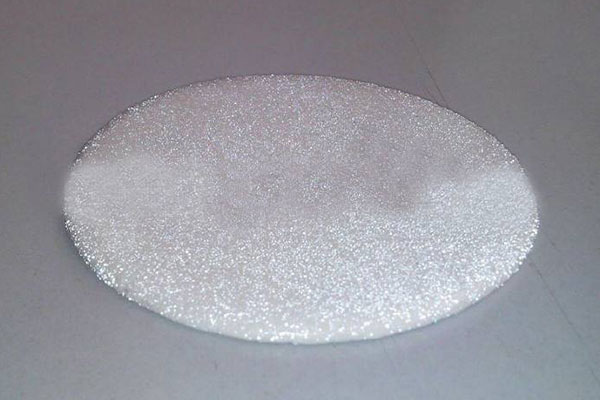
Benefits of EN 1423/EN 1424 Glass Beads
Improved Nighttime Visibility
Reflective glass beads make road markings easier for drivers to identify under vehicle headlights.
Safer Driving in Poor Weather
Clearer lane lines and symbols can improve traffic guidance during rain, fog, and other low-visibility conditions.
Longer Reflective Service Life
Using drop-on and premix beads together helps maintain reflective performance as the marking surface experiences traffic wear.
Wide Material Compatibility
Glass beads can be used with thermoplastic, cold plastic, water-based paint, and solvent-based road marking materials.
Compliance with European Requirements
EN 1423 and EN 1424 glass beads are suitable for road projects that specify European standards for road marking materials.
EN 1423/EN 1424 Glass Beads Manufacturer in China
Roadsky supplies EN 1423/EN 1424 reflective glass beads for road marking applications. Our drop-on and premix beads can be used with thermoplastic paint, water-based paint, solvent-based paint, and cold plastic materials.
Different particle sizes, surface coatings, and packaging options are available based on project requirements. We can also provide product specifications and relevant test documents for customer evaluation.
Contact Roadsky for more information, samples, or a quotation.
Conclusion
EN 1423 and EN 1424 are important European standards for reflective glass beads used in road markings. EN 1423 covers drop-on beads, while EN 1424 covers premix beads. Selecting the right product and applying it correctly can improve nighttime visibility, support longer-lasting retroreflectivity, and make roads safer in poor weather conditions.