

Enhancing Road Marking Paint Using Glass Beads
Road markings play a vital role in modern traffic management by guiding drivers, improving lane discipline, and increasing road safety. However, standard road marking paint alone is often insufficient for maintaining visibility during nighttime, rain, fog, or low-light conditions. This is where glass beads become essential.
By integrating glass beads into road marking paint, road authorities and contractors can significantly improve retroreflectivity, durability, and long-term performance.
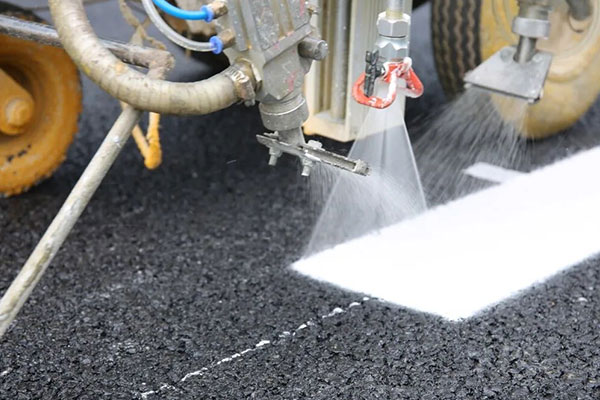
What Are Glass Beads for Road Marking?
Glass beads are tiny spherical particles made from high-quality glass materials. They are commonly added to thermoplastic paint, cold paint, and other road marking materials to improve visibility.
The primary function of glass beads is to create retroreflection. When vehicle headlights hit the beads, the light is reflected back toward the driver, making road markings highly visible at night.
Glass beads are widely used on:
- Highways
- Urban roads
- Parking lots
- Airport runways
- Bicycle lanes
- Crosswalks
- Industrial zones
How Glass Beads Improve Road Marking Paint
1. Enhanced Night Visibility
The biggest advantage of using glass beads is improved nighttime visibility. The spherical structure of the beads reflects light directly back to drivers, helping them clearly identify lanes and road boundaries.
This reflective effect is especially important during:
- Night driving
- Heavy rain
- Foggy weather
- Low-light environments
High retroreflectivity helps reduce accidents and improves overall driving safety.
2. Increased Road Safety
Clear and visible road markings help drivers react faster and maintain proper lane positioning. Glass bead-enhanced markings are particularly beneficial on:
- High-speed highways
- Sharp curves
- Dangerous intersections
- School zones
- Construction areas
Better visibility directly contributes to safer roads and reduced traffic incidents.
3. Improved Durability
Glass beads not only improve reflectivity but also protect the paint surface from wear. Properly embedded beads can extend the lifespan of road markings by reducing abrasion from vehicle traffic and environmental conditions.
Durable road markings mean:
- Lower maintenance costs
- Reduced repainting frequency
- Better long-term performance
4. Better Performance in Wet Conditions
Advanced glass beads can improve wet-night visibility, which is often a challenge for conventional road markings. Larger or specially coated beads can protrude above the water film, allowing light reflection even during rainy conditions.
Types of Glass Beads Used in Road Marking
1. Intermix Glass Beads
Intermix beads are blended directly into the paint or thermoplastic material before application. As the surface wears down over time, new beads are exposed, maintaining continuous reflectivity.
Advantages:
- Long-term reflectivity
- Improved durability
- Suitable for high-traffic roads
2. Drop-On Glass Beads
Drop-on beads are sprayed onto the surface immediately after the paint is applied. These beads provide instant retroreflectivity.
Advantages:
- Immediate visibility
- Easy application
- Cost-effective solution
3. High-Reflective Glass Beads
These premium beads are specially engineered for maximum retroreflectivity and wet-night performance.
Common applications:
- Expressways
- Airport runways
- High-risk traffic zones
Key Factors Affecting Reflectivity
Several factors influence the performance of glass beads in road marking applications:
1. Bead Size
Different particle sizes affect retroreflection levels. Larger beads often provide better wet-night visibility, while smaller beads create smoother surface performance.
2. Refractive Index
The refractive index determines how efficiently light is reflected back to drivers. Common refractive indices include:
- 1.5 RI
- 1.7 RI
- 1.9 RI
Higher refractive index beads generally offer superior brightness.
3. Roundness
High roundness improves reflective efficiency. Premium road marking beads typically have a roundness greater than 80%.
4. Coating Technology
Some glass beads feature special surface coatings to improve adhesion, moisture resistance, and durability.
Industry Standards for Road Marking Glass Beads
Many countries follow strict standards to ensure reflective performance and safety.
Common standards include:
- EN1423
- EN1424
- AASHTO M247
- BS6088
- JIS R3301
Compliance ensures consistent quality, durability, and reflective efficiency.
Conclusion
Glass beads are an essential component in enhancing road marking paint performance. By improving retroreflectivity, durability, and wet-night visibility, they contribute significantly to safer and more efficient road systems.
Whether used in thermoplastic markings, cold paint, or MMA systems, high-quality glass beads help road markings remain visible under challenging driving conditions.