

Retroreflectometer for Road Studs: How It Works and Benefits
Road visibility is essential for traffic safety, especially at night and in poor weather conditions. Road studs are widely installed on highways, expressways, and urban roads to improve lane visibility and provide clear driving guidance. To ensure their reflective performance meets required standards, accurate testing equipment is necessary.
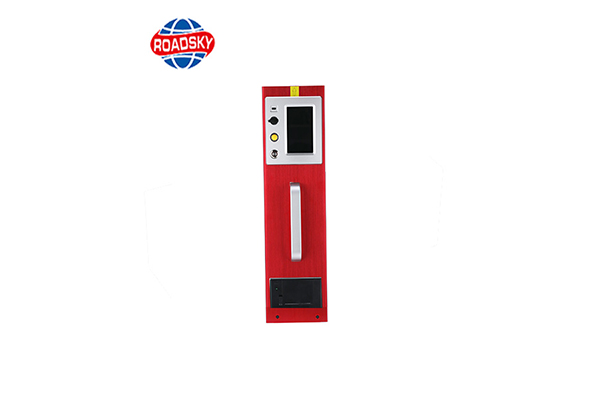
A retroreflectometer is a specialized instrument used to measure the retroreflective performance of road studs and other reflective road safety materials. It helps manufacturers, quality inspection agencies, road contractors, and highway authorities evaluate reflectivity and maintain product quality.
What is a Retroreflectometer?
A retroreflectometer is an optical measuring instrument designed to measure how effectively a surface returns incoming light toward its original source.
Unlike ordinary reflective materials that scatter light in different directions, retroreflective materials direct light back toward the light source. This property makes them particularly important for nighttime road safety.
A retroreflectometer is commonly used to test:
- Reflective road studs and pavement markers
- Road marking paints and thermoplastic markings
- Reflective traffic signs
- Other road safety materials
By measuring retroreflectivity, users can evaluate the visibility performance of reflective products and check whether they meet relevant technical requirements.
How Does a Retroreflectometer Test Road Studs?
Road studs use reflective lenses, glass beads, or optical prisms to return vehicle headlight illumination toward approaching drivers.
A retroreflectometer measures this returned light to evaluate the reflective performance of the road stud.
The general testing process includes:
1. Surface Preparation
Clean the reflective surface to remove dust, mud, and other contaminants that may affect measurement results.
2. Instrument Positioning
Position the retroreflectometer according to the manufacturer’s instructions and applicable testing method.
3. Light Projection
The instrument directs a controlled light beam toward the reflective element.
4. Reflectivity Measurement
A sensor detects the light returned toward the instrument and calculates the corresponding measurement value.
5. Result Evaluation
The results are compared with relevant technical specifications or project requirements.
It is important to select a retroreflectometer specifically suitable for raised pavement markers, as instruments designed for flat road markings may not be appropriate for every road stud design.
Benefits of Retroreflectometer Testing for Road Studs
Improved Nighttime Visibility
Retroreflectivity testing helps determine whether road studs can return sufficient light toward approaching drivers, making lane boundaries and road edges easier to identify.
Manufacturing Quality Control
Road stud manufacturers can use retroreflectometers to inspect reflective components, identify product defects, and maintain consistent quality during production.
Road Maintenance and Inspection
Regular testing helps road authorities identify road studs with reduced reflective performance and determine when cleaning, maintenance, or replacement is necessary.
Compliance with Technical Requirements
A suitable retroreflectometer helps evaluate products against applicable road safety standards and project specifications.
Roadsky Retroreflectometer: Reliable Testing for Road Safety
Roadsky provides professional retroreflectometer solutions for road safety inspection, road stud manufacturing, and reflective material quality control.
Our retroreflectometer helps manufacturers, testing laboratories, and highway authorities accurately evaluate the reflective performance of road studs and other road safety materials. Contact us today to learn more about our retroreflectometer, technical specifications, and available solutions.