

Enhancing Road Safety Using a Retroreflectometer
Road safety remains a critical concern for transportation authorities, contractors, and road maintenance organizations worldwide. Clear and visible road markings play a vital role in guiding drivers, especially during nighttime driving and adverse weather conditions. Over time, road markings deteriorate due to traffic wear, environmental exposure, and aging, reducing their visibility and effectiveness.
A retroreflectometer is an essential instrument used to measure the retroreflectivity of road markings, ensuring they meet safety standards and remain visible to motorists. By accurately assessing pavement marking performance, retroreflectometers help transportation agencies improve road safety, reduce accidents, and optimize maintenance budgets.
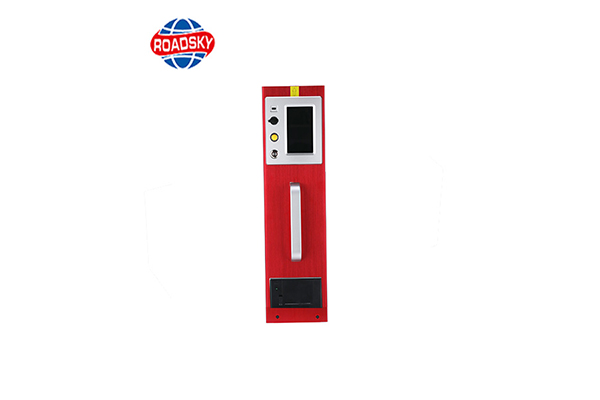
What is a Retroreflectometer?
A retroreflectometer is a specialized device designed to measure the amount of light reflected back toward a vehicle’s headlights from road markings, traffic signs, and other reflective surfaces.
Unlike ordinary reflectivity measurements, retroreflectivity evaluates how effectively a surface returns light to its original source. This characteristic is crucial for nighttime visibility, enabling drivers to clearly identify lane lines, crosswalks, arrows, and other traffic guidance markings.
Modern retroreflectometers provide quick and accurate measurements, helping road maintenance teams determine whether existing markings comply with national and international standards.
Why Retroreflectivity Matters for Road Safety
Poorly visible road markings are a major contributor to traffic accidents. Faded or non-reflective lines and signs can confuse drivers, especially at night or in foggy, rainy conditions. Maintaining high retroreflectivity ensures that:
- Drivers can see lane lines clearly at night.
- Traffic signs are easily readable, even from a distance.
- Pedestrian crossings and warning markers are highly visible, reducing accident risks.
By using a retroreflectometer, transportation agencies can identify and replace worn-out markings before they become a safety hazard.
How Retroreflectometers Work
Retroreflectometers operate by emitting light toward a surface and measuring the amount of light reflected back to the device. The readings are usually expressed in mcd/m²/lx (millicandela per square meter per lux), which quantifies the brightness perceived by the human eye.
There are two common types of retroreflectometers:
- Handheld Retroreflectometers: Portable and easy to use for spot checks.
- Vehicle-Mounted Retroreflectometers: Ideal for measuring retroreflectivity across long stretches of road quickly and efficiently.
These tools allow engineers to assess road safety comprehensively and take timely corrective actions.
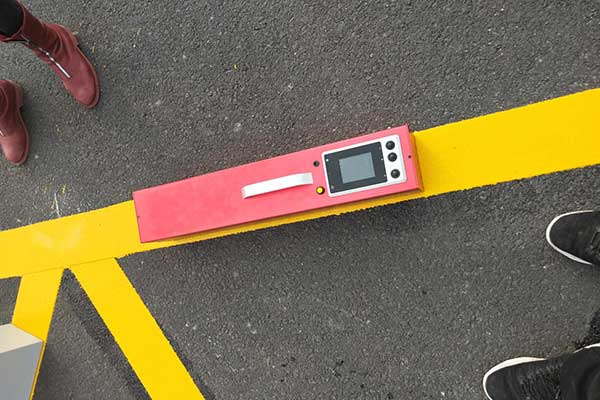
Benefits of Using a Retroreflectometer
Implementing retroreflectivity measurements provides multiple advantages:
- Enhanced Nighttime Visibility: Clear lane markings reduce driver errors and collisions.
- Compliance with Safety Standards: Ensures markings meet local or international regulations.
- Cost-Effective Maintenance: Prevents over-maintenance and ensures resources are allocated efficiently.
- Data-Driven Decisions: Objective measurements enable better planning for road repairs and improvements.
Applications of Retroreflectometers
Retroreflectometers are widely used across various transportation and infrastructure projects.
1. Road Marking Inspection
Used to evaluate:
- Center lines
- Edge lines
- Stop lines
- Crosswalks
- Directional arrows
2. Airport Runway Maintenance
Airports use retroreflectometers to ensure runway markings remain visible for pilots during takeoff and landing operations.
3. Traffic Sign Evaluation
Retroreflectometers can measure the performance of reflective traffic signs, helping authorities maintain sign visibility.
4. Construction Quality Control
Road contractors use retroreflectometers during project acceptance testing to verify that newly applied markings meet specified performance standards.
Conclusion
A retroreflectometer is an indispensable tool for maintaining road marking visibility and enhancing overall road safety. By providing accurate measurements of retroreflectivity, it enables transportation authorities, contractors, and maintenance teams to make informed decisions regarding pavement marking performance. Regular retroreflectivity testing improves nighttime visibility, ensures compliance with safety standards, supports preventive maintenance programs, and reduces accident risks.