

Glass Beads in Road Markings: Explained Guide
Road safety depends heavily on clear, visible lane markings—especially at night, during rain, or in low-light conditions. One of the most important materials used to improve road marking performance is glass beads. These tiny spherical particles play a critical role in reflecting light back to drivers, significantly improving visibility and reducing accident risk.
In this article, we’ll explore what glass beads are, how they work in road markings, their types, applications, and why they are essential in modern traffic infrastructure.
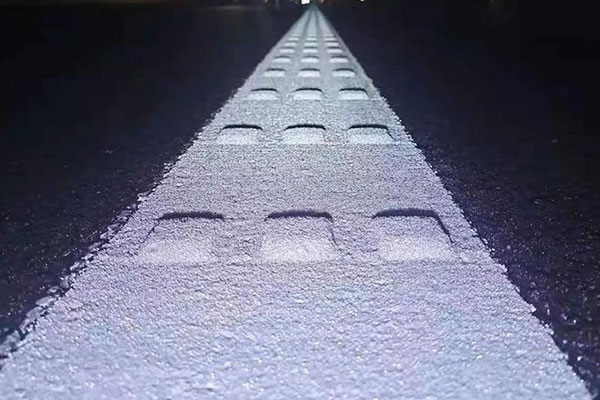
What Are Glass Beads in Road Markings?
Glass beads are small, transparent, spherical particles made from high-quality recycled glass or raw glass materials. They are embedded into or dropped onto road marking paints and thermoplastic paints.
Their primary function is retroreflection, meaning they reflect vehicle headlights back toward the driver, making road lines visible at night or in poor weather conditions.
Without glass beads, road markings would appear flat and almost invisible after dark.
How Glass Beads Improve Road Visibility
The working principle of glass beads is based on light refraction and reflection:
- Headlights hit the road marking surface
- Light enters the glass bead
- It is refracted inside the bead
- Light is reflected back toward the driver’s eyes
This process creates a “glowing” effect that makes lane markings visible from long distances.
Types of Glass Beads for Road Markings
Different applications require different types of glass beads. The most common types include:
1. Drop-On Glass Beads
These are sprayed onto wet paint or thermoplastic surfaces immediately after application. They provide strong initial reflectivity.
2. Intermix Glass Beads
These are mixed directly into the paint or thermoplastic material before application. They ensure long-term reflectivity as the surface wears down.
3. Coated Glass Beads
These beads have special coatings (such as adhesion or moisture-resistant layers) that improve bonding and performance in harsh environments.
4. High Index Glass Beads
Designed for superior reflectivity, these are used in highways and high-speed roads where visibility is critical.
Applications of Glass Beads in Road Markings
Glass beads are widely used across transportation infrastructure:
- Highways and expressways – for night driving safety at high speeds
- Urban roads – to improve lane visibility in city traffic
- Airport runways – for precise aircraft guidance
- Parking lots – to define lanes and parking spaces
- School zones and pedestrian crossings – to enhance pedestrian safety
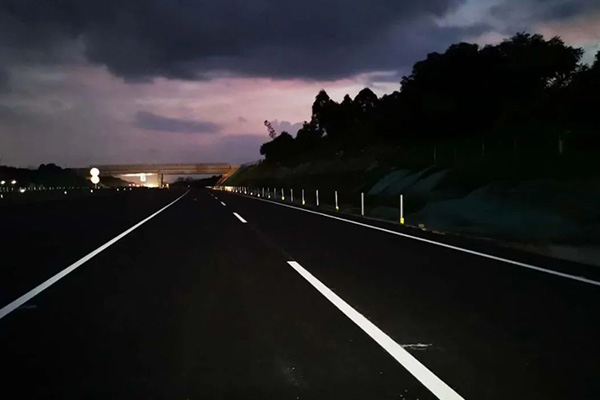
Key Benefits of Using Glass Beads
- Improved Night Visibility: The most important benefit is enhanced reflectivity, especially in low-light conditions.
- Increased Road Safety: Better visibility reduces lane departure accidents and improves driver reaction time.
- Longer Service Life of Markings: Some glass beads protect the surface from wear and extend the lifespan of road markings.
- Cost-Effective Solution: Glass beads are inexpensive compared to the safety improvements they provide.
- Weather Resistance: Coated beads maintain performance even in rain or humid environments.
Quality Factors That Affect Performance
Not all glass beads perform equally. Key quality indicators include:
- Roundness (perfectly spherical beads reflect better)
- Refractive index (higher index = better brightness)
- Size distribution (affects uniform reflection)
- Cleanliness and coating quality
- Adhesion strength to road paint
High-quality beads ensure consistent reflectivity and long-term performance.
Industry Use and Supply
Companies involved in road construction and safety equipment supply often provide glass beads as part of their marking systems.
For example, manufacturers like Roadsky supply a wide range of road marking materials, including marking systems used in highways, bridges, and urban infrastructure projects.
Installation Process Overview
Glass beads are applied during road marking in two main ways:
Step 1: Surface Preparation
The road surface is cleaned and dried to ensure proper adhesion.
Step 2: Application of Paint or Thermoplastic
The marking material is applied using a road marking machine, which ensures precise and even distribution through spraying or extrusion methods.
Step 3: Bead Application
- Drop-on method: beads are sprayed immediately onto wet surface
- Intermix method: beads are already mixed in material
Step 4: Curing and Setting
The material hardens while beads remain partially exposed for maximum reflectivity.
Conclusion
Glass beads may be small, but their impact on road safety is enormous. By enhancing nighttime visibility and improving driver awareness, they play a crucial role in reducing accidents and improving traffic flow.