

How Glass Beads Are Spread in Road Marking
Glass beads play a critical role in road marking systems, significantly improving nighttime visibility and overall traffic safety. Understanding how glass beads are spread in road marking helps road authorities, contractors, and engineers achieve optimal retroreflectivity and long-lasting pavement markings.
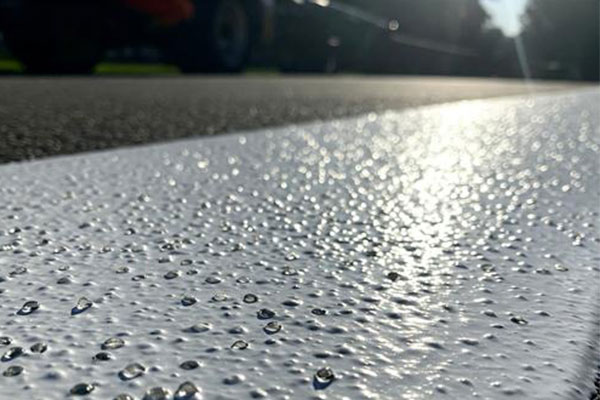
What Are Glass Beads in Road Marking?
Glass beads are small, spherical particles made from recycled or virgin glass. When embedded in road marking paint or thermoplastic materials, they reflect vehicle headlights back toward drivers. The effectiveness of this reflection is commonly measured in RL values using a Retroreflectometer, which is a standard testing instrument in road safety engineering.
Why Proper Glass Bead Spreading Matters
Correct spreading of glass beads directly affects:
- Retroreflectivity performance
- Durability of road markings
- Compliance with road safety standards
- Driver visibility in rain and darkness
Improper spreading can lead to poor reflection, early bead loss, or uneven marking quality.
Main Methods of Spreading Glass Beads
1. Drop-On Method (Most Common)
The drop-on method is the most widely used technique. Glass beads are applied immediately after the road marking material is sprayed or extruded.
How it works:
- Road marking paint or thermoplastic is applied to the pavement.
- While the material is still wet or molten, glass beads are dropped onto the surface.
- Beads partially embed into the marking, ensuring strong adhesion and optimal reflection.
Advantages:
- High retroreflectivity
- Easy to control bead rate
- Compatible with most road marking materials
2. Premix Method
In the premix method, glass beads are mixed directly into the road marking material before application.
How it works:
- Glass beads are blended into paint or thermoplastic in advance.
- The mixture is applied to the road surface
Advantages:
- Long-term reflectivity
- Reduced bead loss
3. Combined Drop-On and Premix Application
For high-performance road markings, contractors often use both premix and drop-on glass beads.
Benefits include:
- Immediate reflectivity after application
- Sustained reflectivity throughout the marking’s service life
- Improved compliance with international standards
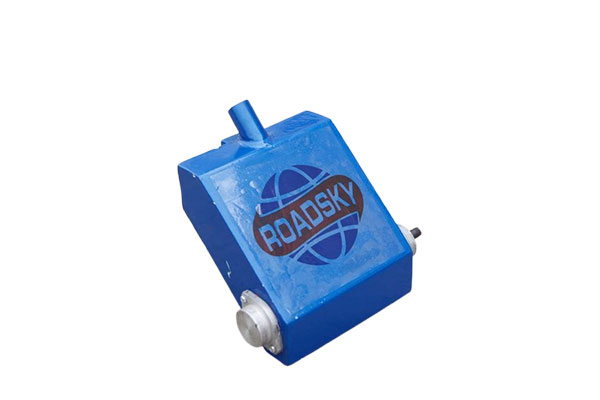
Equipment Used for Spreading Glass Beads
1. Automatic Bead Dispensers
Most road marking machines are equipped with automatic glass bead dispensers that ensure uniform distribution.
Key features:
- Adjustable spreading rate (g/m²)
- Synchronized operation with paint spraying
- Consistent bead coverage across marking width
2. Manual Bead Spreaders
For small-scale projects or touch-up work, manual bead spreaders are used.
Limitations:
- Less uniform coverage
- Higher risk of uneven reflectivity
- Suitable mainly for low-traffic or temporary markings
Timing of Glass Bead Application
Timing is crucial when spreading glass beads:
- Beads must be applied immediately after paint spraying
- For thermoplastic, beads should be dropped while the material is still hot and molten
- Delayed application reduces bead embedment and reflectivity
Correct timing ensures that beads embed approximately 50–60% of their diameter, which is ideal for retroreflection.
Conclusion
Understanding how glass beads are spread in road marking is essential for achieving safe, durable, and highly visible pavement markings. By selecting the right spreading method, using proper equipment, and controlling application rates, road marking projects can deliver superior night-time performance and long-term value.
Well-applied glass beads not only enhance nighttime visibility but also play a vital role in reducing traffic accidents and improving overall road safety.