

Retroreflectometer: What it is, How it Works, Types & Uses
A retroreflectometer is a precision instrument used to measure the retroreflectivity of surfaces, especially road markings, traffic signs, and reflective materials. It plays a critical role in transportation safety by ensuring that road markings remain visible at night and under poor weather conditions.
As road infrastructure standards continue to rise globally, retroreflectometers have become essential tools for highway authorities, construction contractors, and safety inspection agencies.
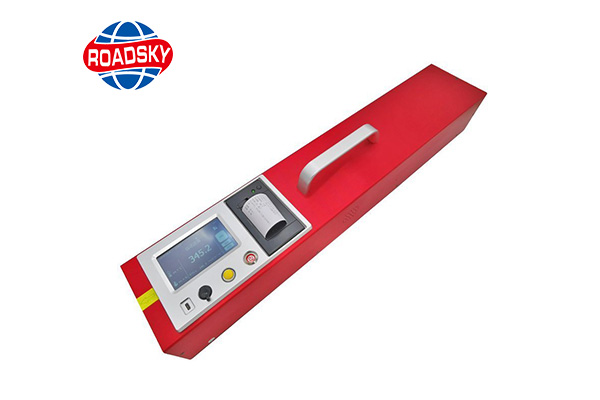
What is a Retroreflectometer?
A retroreflectometer is a device designed to measure how much light is reflected back toward a light source from a surface.
In road engineering, it is most commonly used to evaluate:
- Lane markings
- Road studs and reflectors
- Traffic signs
- Airport runway markings
- Safety garments and reflective materials
How a Retroreflectometer Works
Although designs vary, most modern retroreflectometers operate using the following principle:
1. Controlled Light Source
The device emits a beam of light at a defined angle toward the surface being tested.
2. Measurement of Reflected Light
Sensors capture the amount of light that returns toward the source.
3. Calculation of RL Value
The instrument calculates luminance coefficient under retroreflected light (RL), which indicates how bright the surface appears to drivers.
Higher RL values mean better nighttime visibility.
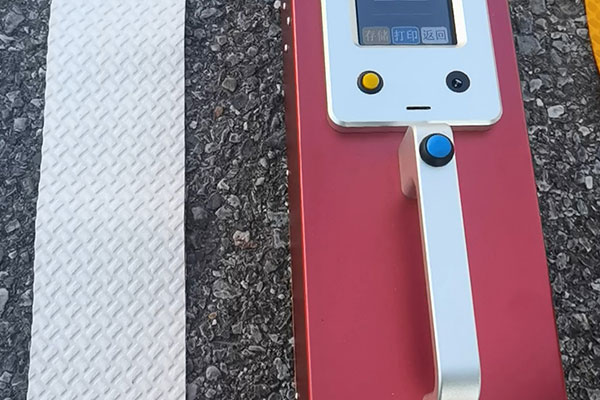
Why Retroreflectivity Matters in Road Safety
Visibility is one of the most important factors in preventing traffic accidents. Road markings must remain visible under:
- Night driving conditions
- Rain or fog
- Low-beam headlights
- High-speed highway travel
If road markings lose reflectivity, drivers may struggle to stay in lanes or recognize road boundaries.
A retroreflectometer ensures that markings meet safety standards by providing accurate measurement data that road authorities use for maintenance decisions.
Types of Retroreflectometers
1. Portable Retroreflectometers
- Handheld devices
- Used for field inspections
- Common among road maintenance teams
2. Mobile Retroreflectometers
- Installed on vehicles
- Used for highway-scale surveys
- Allow high-speed data collection
3. Laboratory Retroreflectometers
- Used for material testing
- High precision testing
- Controlled environment measurements
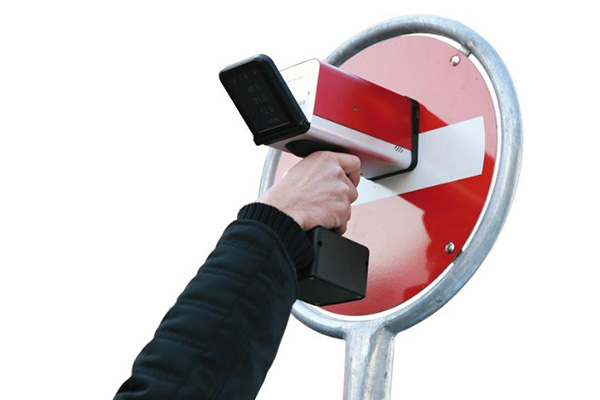
Applications of Retroreflectometers
Retroreflectometers are widely used in infrastructure and safety industries.
- Road Marking Inspection: Used to evaluate lane lines, crosswalks, and highway markings.
- Traffic Sign Testing: Ensures signs are visible under headlights at night.
- Airport Runways: Checks reflective performance of runway markings for aviation safety.
- Safety Gear Testing: Used in testing reflective clothing and PPE materials.
- Quality Control in Manufacturing: Ensures reflective materials meet industry standards before shipment.
Benefits of Using a Retroreflectometer
- Improves road safety management
- Ensures regulatory compliance
- Reduces maintenance costs
- Extends lifespan of road markings
- Provides data-driven infrastructure decisions
Maintenance and Calibration Tips
To ensure long-term accuracy:
- Calibrate regularly using certified reference standards
- Keep optical components clean and dust-free
- Store in a dry and temperature-stable environment
- Avoid impact or vibration damage during transport
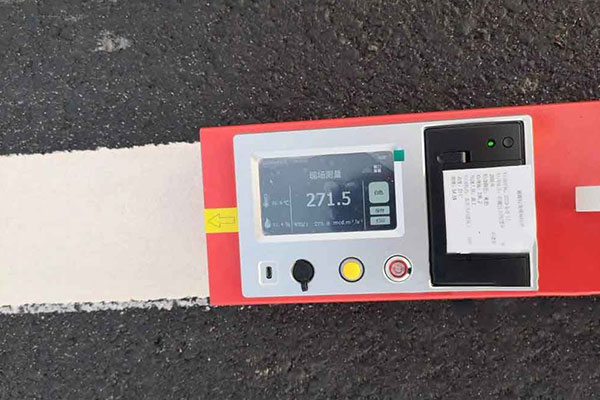
Standards and Compliance
Different countries use different standards to define acceptable retroreflectivity levels. Road authorities typically require periodic measurements to ensure compliance.
Common evaluation metrics include:
- RL (Coefficient of Retroreflected Luminance)
- Qd (Daytime visibility coefficient)
- Geometry-based measurement angles
Meeting these standards ensures consistent visibility and reduces accident risk.
Choosing the Right Retroreflectometer
When selecting a device, consider:
- Measurement accuracy and calibration stability
- Compliance with international standards
- Portability requirements
- Data storage and software integration
- Weather resistance for field use
High-quality devices are essential for reliable long-term road monitoring programs.
Conclusion
A retroreflectometer is an essential tool for ensuring the visibility and safety of road markings, traffic signs, and reflective materials. Whether used in field inspections or laboratory testing, choosing the right retroreflectometer helps transportation authorities and contractors maintain safer road environments.
Looking for reliable retroreflectometer solutions for road marking inspection and traffic safety projects? Roadsky provides professional-grade equipment designed for accurate field measurement, long service life, and stable performance under demanding working conditions. Contact us for more information.