

Thermoplastic Road Marking Paint: A Buyer’s Guide
Road markings are essential for traffic safety, road organization, and visibility. Among the various road marking materials available today, thermoplastic road marking paint has become one of the most popular choices for highways, urban roads, parking lots, airports, and industrial zones due to its durability and high reflectivity.
If you are planning to purchase thermoplastic road marking paint for a road construction or maintenance project, understanding the material, specifications, and buying factors is crucial. This guide explains everything buyers need to know before choosing thermoplastic road marking paint.
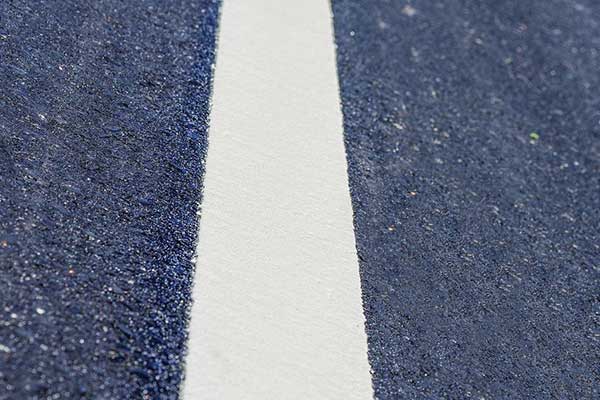
What is Thermoplastic Road Marking Paint?
Thermoplastic road marking paint is a powdered coating material that becomes liquid when heated and hardens after cooling. It is mainly used for pavement markings such as lane lines, pedestrian crossings, arrows, symbols, and edge lines.
The material is typically composed of:
- Hydrocarbon resin or alkyd resin
- Glass beads
- Titanium dioxide or color pigments
- Fillers such as calcium carbonate
- Additives for flow and durability
When heated to approximately 180°C–220°C in a thermoplastic preheater, the material melts and can be applied to asphalt or concrete surfaces using specialized road marking equipment.
Advantages of Thermoplastic Road Marking Paint
1. Excellent Durability
Thermoplastic markings last significantly longer than traditional solvent-based paints. Depending on traffic conditions and climate, they can remain effective for 2–5 years.
2. High Reflectivity
The embedded glass beads improve nighttime visibility by reflecting vehicle headlights, enhancing road safety.
3. Fast Drying Time
Thermoplastic paint cools and hardens quickly, allowing roads to reopen to traffic within minutes after application.
4. Strong Adhesion
The material bonds well with asphalt and concrete surfaces, reducing peeling and wear.
5. Weather Resistance
Thermoplastic markings perform well under rain, heat, UV exposure, and heavy traffic conditions.
6. Cost-Effective Over Time
Although the initial cost may be higher than conventional paint, the long service life reduces maintenance frequency and overall lifecycle costs.
Common Colors of Thermoplastic Road Marking Paint
Different regions may follow different road safety standards, but the most common colors include:
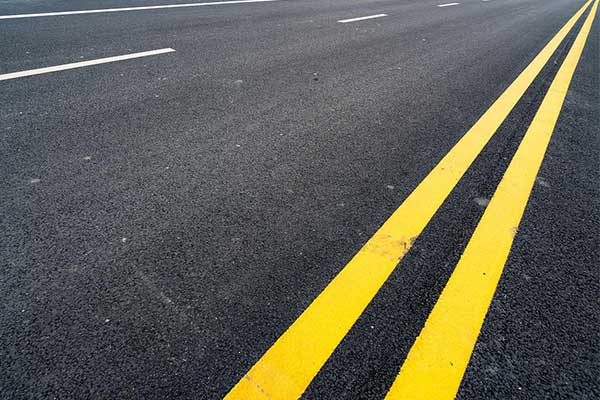
- White: Lane lines and edge markings
- Yellow: Center lines and no-passing zones
- Blue: Special parking areas
- Red: Bus lanes or restricted zones
- Green: Bicycle lanes
White and yellow thermoplastic paints are the most widely used worldwide.
Key Factors to Consider Before Buying Thermoplastic Road Marking Paint
1. Road Application Type
Different projects require different specifications. Buyers should consider whether the paint will be used for:
- Highways
- Urban roads
- Parking lots
- Airports
- Industrial facilities
- School zones
High-traffic roads generally require more durable formulations.
2. Compliance With Standards
Always check whether the product meets local or international standards, such as:
- AASHTO
- BS 3262
- EN 1871
- ASTM standards
- Local transportation authority specifications
Certified products ensure consistent performance and safety.
3. Reflectivity Performance
High-quality thermoplastic paint should contain premium glass beads to provide strong retroreflectivity at night and during wet weather conditions.
4. Softening Point
The softening point affects heat resistance and durability. A suitable softening point ensures the markings remain stable under high temperatures without deformation.
5. Wear Resistance
For highways and heavy traffic areas, choose thermoplastic paint with excellent abrasion resistance to reduce maintenance costs.
6. Drying Time
Fast-setting materials minimize traffic disruption and improve construction efficiency.
7. Color Stability
UV-resistant pigments help maintain bright and visible markings for longer periods.
8. Climate Compatibility
Climate conditions affect performance. Buyers in tropical or extremely hot regions should select heat-resistant formulations.
Thermoplastic Road Marking Paint Application Process
1. Surface Preparation
The pavement must be:
- Clean
- Dry
- Free from dust and oil
Poor surface preparation can reduce adhesion.
2. Primer Application
For concrete surfaces, a primer may be necessary to improve bonding.
3. Heating the Material
The thermoplastic powder is heated in a preheater until fully melted.
4. Road Marking Application
The molten material is applied using:
5. Glass Bead Application
Additional glass beads are often dropped onto the surface immediately after application to improve reflectivity.
Common Problems With Thermoplastic Road Marking Paint
Usually caused by improper formulation or extreme temperature fluctuations.
Often related to inadequate surface preparation or incorrect application temperature.
Low-quality pigments and poor UV resistance can lead to rapid color fading.
Incorrect bead application may reduce reflectivity over time.
Thermoplastic Road Marking Paint vs. Cold Paint
| Feature | Thermoplastic Paint | Cold Paint |
|---|---|---|
| Durability | High | Moderate |
| Drying Speed | Very Fast | Slower |
| Reflectivity | Excellent | Moderate |
| Initial Cost | Higher | Lower |
| Maintenance Frequency | Lower | Higher |
| Application | Heated | Ready to use |
Thermoplastic paint is generally preferred for high-traffic roads due to its longer service life and superior visibility.
Storage and Handling Tips
Thermoplastic materials require proper handling:
- Store in a dry environment away from moisture
- Avoid exposure to direct sunlight for long periods
- Keep packaging sealed until use
- Follow recommended heating temperature strictly
Improper storage can affect melting performance and adhesion quality.
Cost Considerations
The price of thermoplastic road marking paint depends on:
- Raw material quality (resin and beads)
- Reflectivity level
- Color pigments
- Additives and performance modifiers
- Packaging and logistics
While cheaper products may reduce upfront costs, they often lead to higher long-term maintenance expenses.
Common Mistakes Buyers Should Avoid
- Choosing based only on price
- Ignoring climate compatibility
- Using incorrect application equipment
- Overlooking glass bead quality
- Not verifying supplier certifications
Choosing a Reliable Supplier
A trusted supplier should provide:
- Stable product formulation
- Technical datasheets (TDS)
- Quality certifications
- Application guidance
- Consistent batch quality
Suppliers like Roadsky are known in the road construction sector for offering a range of traffic safety and marking materials suitable for different project requirements.
Conclusion
Thermoplastic road marking paint remains one of the most reliable and cost-effective solutions for modern road safety projects. Its durability, high visibility, weather resistance, and long service life make it ideal for highways, urban roads, parking lots, and industrial applications.
Before purchasing, buyers should carefully evaluate product quality, compliance standards, reflectivity, durability, and supplier reliability. Choosing the right thermoplastic road marking paint can significantly improve road safety while reducing long-term maintenance costs.
If you are sourcing high-performance thermoplastic road marking paint for highways or urban projects, Roadsky offers reliable solutions for different climates and application needs. Contact us today for a tailored quotation and improve visibility, durability, and long-term performance of your road marking projects.